
Ultimate Guide To Essential Products For Concrete Projects
Learn about the key tools and materials that can help you achieve precision, efficiency, and durability in your concrete work.
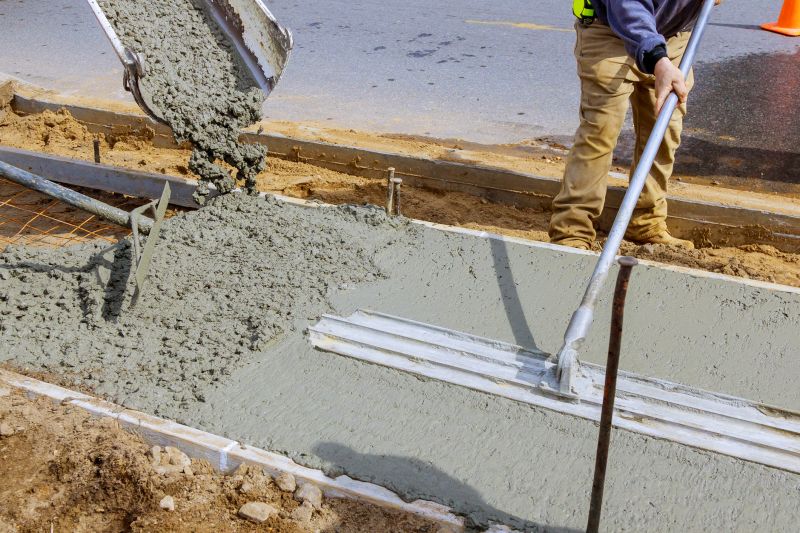 Concrete installations are a fundamental aspect of construction and renovation projects, providing durable surfaces for various applications such as driveways, patios, walkways, and foundations. Selecting the appropriate products for concrete work is essential to ensure longevity, safety, and aesthetic appeal. From mixing and curing to finishing and sealing, a wide range of tools and materials are involved in successful concrete projects. Proper preparation and the right products can help achieve smooth finishes, prevent cracking, and extend the lifespan of the installation.
Top Overall Option
High-Quality Concrete Mixing and Curing Kit
A comprehensive concrete mixing and curing kit offers a versatile solution for various projects, including mixing, pouring, and finishing. It typically includes durable mixing tools, curing compounds, and sealers designed to work together for optimal results. This type of kit supports consistent mixing, proper curing, and surface protection, making it suitable for both DIY enthusiasts and professionals seeking reliable, all-in-one solutions.
Types of Products For Concrete Installations
Concrete Mix
Pre-blended concrete mixes suitable for various applications, from small repairs to large pours, designed for easy mixing and application.
Bonding Agents
Adhesives used to bond new concrete to existing surfaces, ensuring a strong and durable connection.
Concrete Sealers
Protective coatings that enhance durability and appearance by sealing surfaces against moisture and stains.
Curing Compounds
Products that retain moisture in concrete during curing, promoting proper setting and strength development.
Concrete Edgers and Groovers
Tools used to create clean edges and control joints for crack prevention and aesthetic finishes.
Concrete Vibrators
Devices that eliminate air pockets and ensure proper compaction of poured concrete.
Form Release Agents
Products applied to form surfaces to prevent concrete from sticking and to facilitate easy removal.
Concrete Repair Mortars
Specialized mortars designed for patching and repairing damaged or cracked concrete surfaces.
Expansion Joint Materials
Materials used to accommodate movement and prevent cracking in concrete slabs.
Reinforcement Mesh and Rebar
Metal mesh and rebars that provide structural support and prevent cracking in concrete slabs.
Concrete Edging Tools
Tools designed for shaping and finishing concrete edges for a clean, professional look.
Surface Finishing Trowels
Tools used to smooth and finish concrete surfaces for a refined appearance.
Waterproofing Membranes
Materials applied to concrete surfaces to prevent water infiltration and damage.
Concrete Cutting Saws
Heavy-duty saws used to cut and shape concrete slabs and structures.
Surface Cleaners
Equipment and products designed to clean concrete surfaces before finishing or sealing.
Vapor Barriers
Materials installed beneath concrete slabs to prevent moisture transmission from the ground.
Popular Choices
Ready-mixed concrete bags are widely used for small to medium repair and construction projects.
Commonly used to improve adhesion between old and new concrete surfaces.
Popular for enhancing the appearance and protecting concrete surfaces from stains and moisture.
Effective for maintaining moisture during concrete curing, especially in variable climates.
Frequently used in large slabs to accommodate movement and prevent cracking.
Support devices that hold reinforcement in the correct position during concrete placement.
Essential for finishing and smoothing small concrete surfaces and edges.
Tools for leveling and consolidating freshly poured concrete efficiently.
Wood or metal forms used to shape concrete during pouring and setting.
Popular for outdoor concrete surfaces exposed to weather elements.
Durable blades designed for cutting through various concrete types.
Tools for preparing concrete surfaces before sealing or finishing.
In Norristown, PA, homeowners and contractors alike seek reliable tools and materials to support their concrete projects. The selection process involves understanding the specific requirements of each task, whether it is pouring new concrete, repairing existing surfaces, or sealing and protecting finished work. Quality products can facilitate easier application, better results, and reduced maintenance over time.
The diversity of available products means that users must consider factors such as compatibility with concrete, ease of use, durability, and suitability for the specific environment. For example, certain sealers are designed for high-traffic areas, while specific bonding agents are used to repair or attach new concrete to existing surfaces. Investing in the right products can make a significant difference in the outcome of a concrete installation.
Whether undertaking a small residential project or a large commercial endeavor, understanding the range of products and their appropriate applications is key. Proper selection and application contribute to the structural integrity and visual appeal of concrete surfaces, ensuring they serve their intended purpose effectively for years to come.
Key Buying Considerations
- Project scope and size to determine the quantity and type of products needed.
- Compatibility of products with specific concrete types and environmental conditions.
- Ease of application, especially for DIY projects or those with limited experience.
- Durability and long-term performance expectations for the installation.
- Compatibility with existing surfaces if repairing or overlaying concrete.
- Curing and drying times to align with project timelines.
- Surface finish requirements, including smoothness and texture.
- Protection against moisture, stains, and wear for outdoor installations.
- Reinforcement options and support materials to prevent cracking.
- Budget constraints and cost-effectiveness of selected products.
- Availability of tools and accessories that complement main products.
- Safety considerations, including proper handling and protective gear.
- Environmental conditions during application, such as temperature and humidity.
- Manufacturer reputation and product reviews for reliability.
- Compatibility with other construction materials used in the project.